NOTICE: Our stock is updated. Take a look in our webshop!
Free Shipping on orders above EUR 100 (Europe) and EUR 200 (Worldwide)
A small cup changes the pace of a drink. It asks us to pour less, notice more, and enjoy the part that matters.
Our SHORT Cup sits at the smallest end of our handmade drinkware range, yet it never feels limited. In porcelain it holds about 120 ml, and in stoneware about 140 ml. That compact size is the whole point. It suits real use, simple styling, and the kind of daily routine that feels better with thoughtful tableware.
The SHORT Cup is our smallest cup, and that gives it a clear place in the base collection. It feels compact in a way a standard cup rarely does. A regular mug often asks for a full pour and a longer drink. This one keeps things closer, warmer, and more focused.
That difference starts with shape. The cup is low and balanced, so it looks settled on a table. It doesn’t pull all the attention, but it doesn’t disappear either. The profile is clean, and the size feels deliberate. When we place it next to a larger mug, the contrast is easy to see. The bigger piece looks built for volume. The short cup looks built for the drink itself.
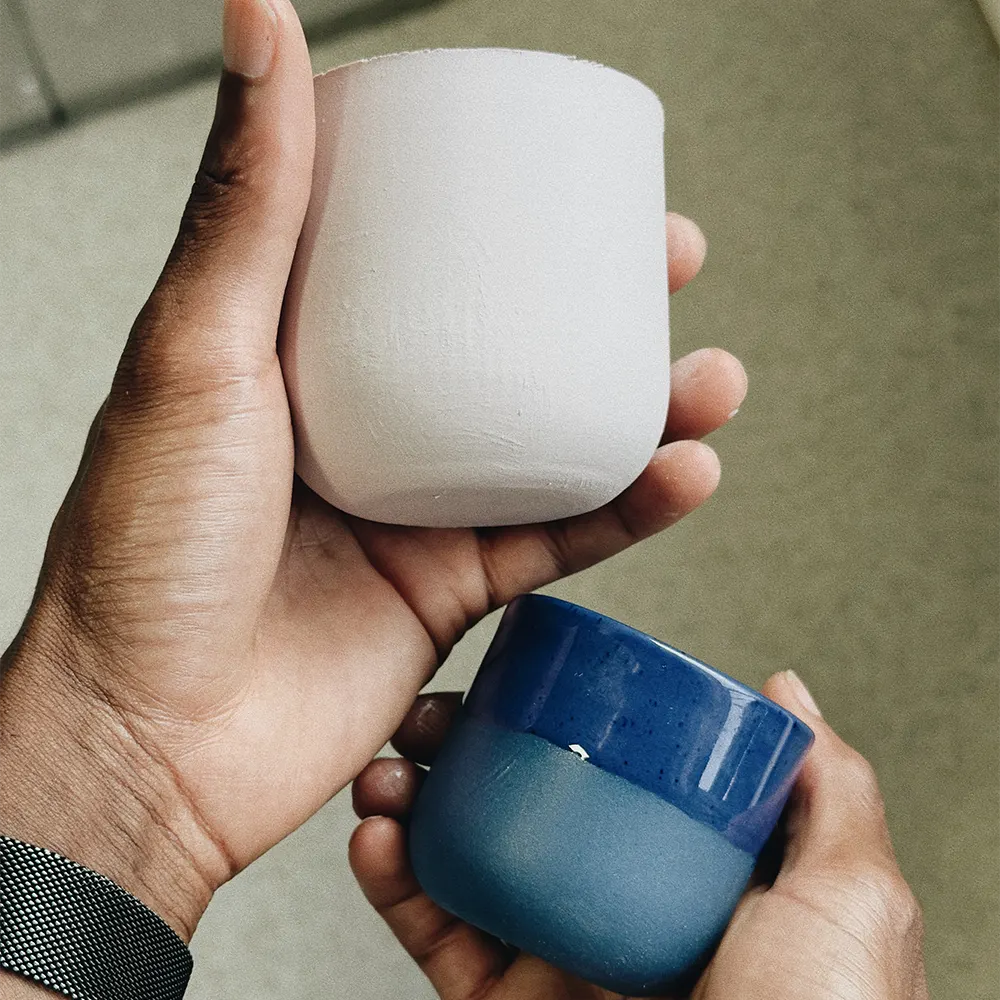
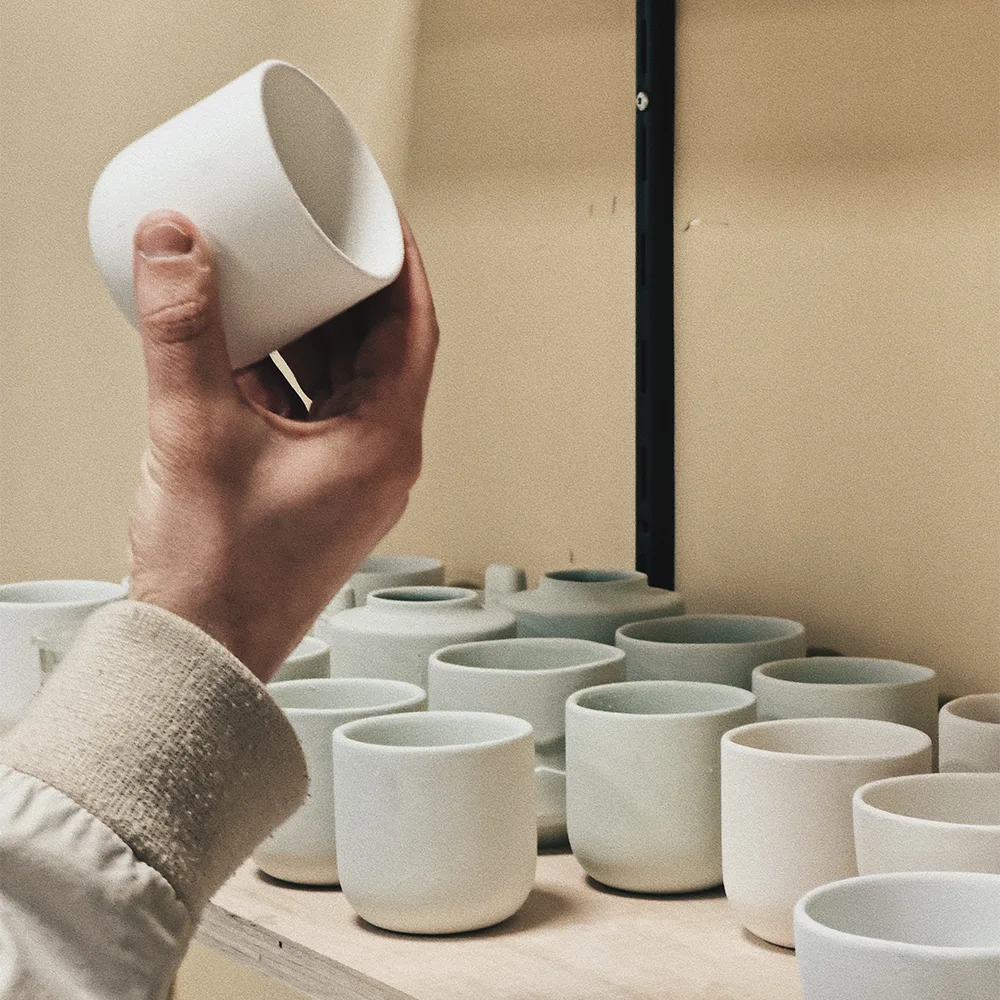
The handmade finish matters too. Small cups can slip into one of two traps, they either feel too plain or too precious. This one avoids both. The ceramic surface has character, and the slight variation from piece to piece keeps it warm and human. At the same time, the cup still feels sturdy enough for daily use.
A small coffee cup should feel easy before it feels impressive. The SHORT Cup fits naturally in the hand because the body is compact and steady. We don’t need a wide grip, and we don’t feel like we’re wrapping our hands around extra empty space.
Its small footprint also helps on the table. It slips onto a breakfast tray, beside a plate, or into a tight corner without crowding the setup. That matters more than people think. A large mug can dominate a place setting. This cup leaves room for the rest of the table to breathe.
A good small cup feels present, not loud.
That quiet balance is a big part of its appeal.
Those two sizes are close, but they don’t feel the same in use. The 120 ml porcelain version feels a little finer and more precise. It suits a shorter pour, and it gives hot drinks a neat, contained feel.
The 140 ml stoneware version feels a touch fuller. That extra room softens the serving size without changing the cup’s compact nature. If we like a slightly longer coffee, a small tea, or a cold drink with a cube or two of ice, the stoneware size gives a bit more ease.
Material also changes the mood. Porcelain reads smoother and lighter in the hand. Stoneware feels a little more grounded. Neither is better, they simply shape the moment in different ways.
Size shapes taste more than we often admit. A small cup can make a drink feel sharper, calmer, or simply more intentional because the serving is clear from the start. That’s why the SHORT Cup works across more drinks than its scale suggests.
It fits espresso naturally, but it doesn’t stop there. Cappuccino works well in a modest pour, especially when we want a soft layer of milk without a large volume underneath. A short Americano also makes sense here. So does tea, when we want a smaller hot serving that stays warm while we drink it. Cold drinks fit too, especially iced coffee or a simple splash of juice or sparkling water.
Right now, many people are leaning toward handmade cups in porcelain and stoneware because they feel more personal on the table. Small formats fit that shift well. They slow the routine down a little, and they make everyday drinks feel chosen rather than automatic.
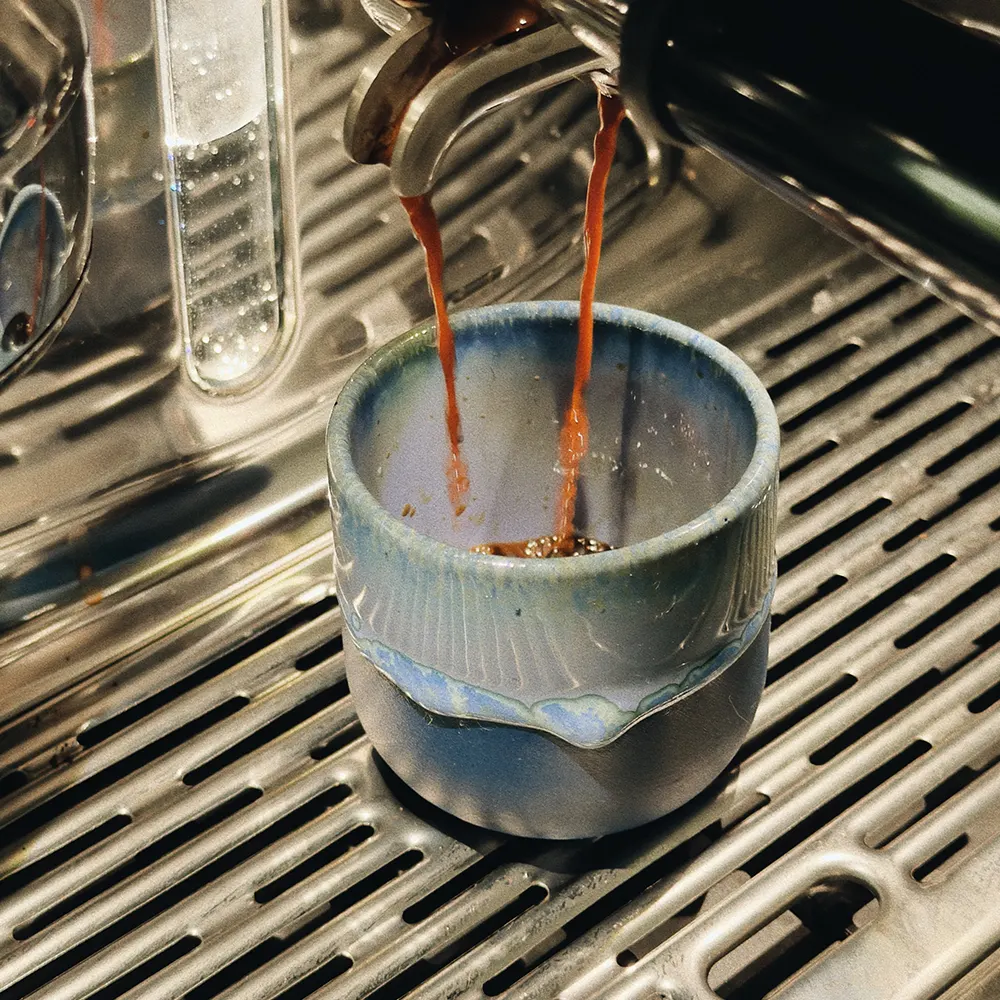
Espresso is the most obvious match, and for good reason. The short shape keeps the serving looking full and complete. Crema sits nicely on top, and the cup’s proportions give the drink a proper sense of finish.
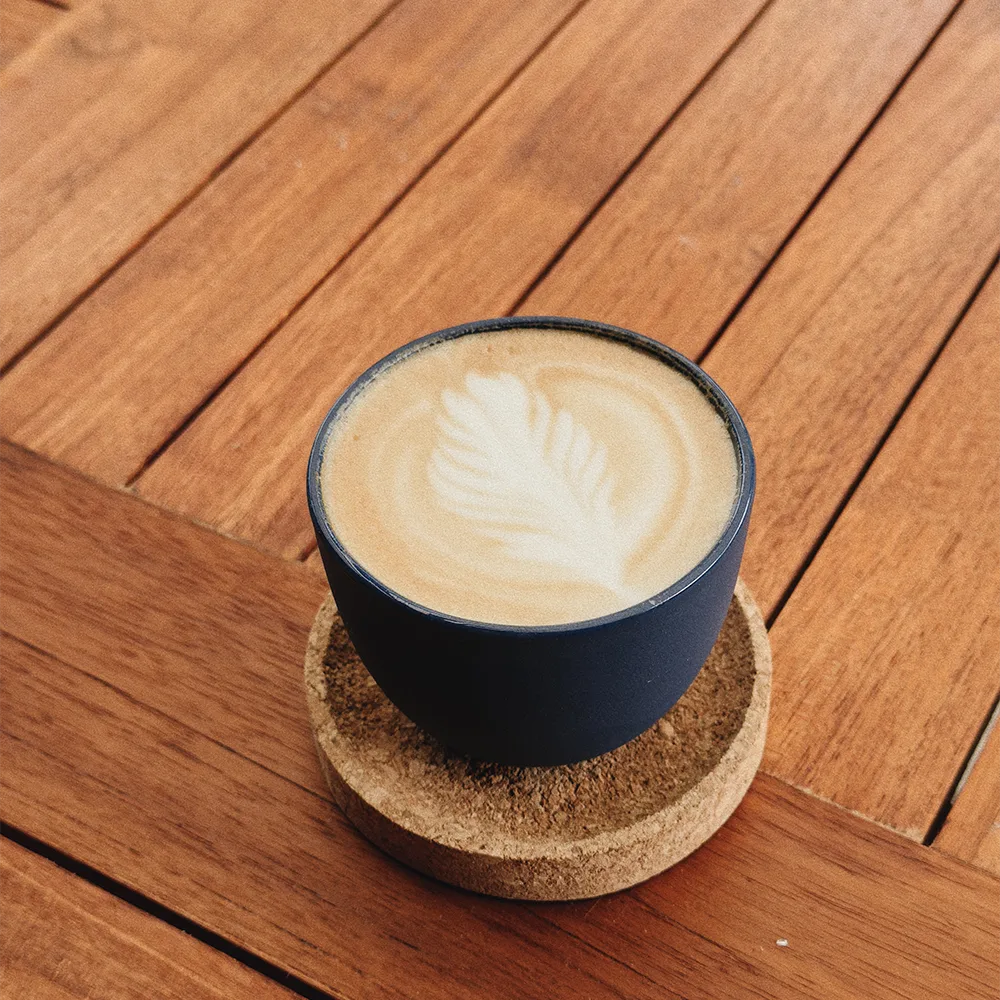
Cappuccino also works better in a small coffee cup than many people expect. A tighter pour gives milk foam a better visual balance, and the drink stays warm while we enjoy it. Instead of a large, airy cup that cools before we reach the bottom, we get a coffee that holds its shape and heat.
A short Americano feels stronger and more direct, which many of us prefer in the afternoon. Tea also benefits from a smaller vessel, especially when we don’t want a long, cooling mug beside us. A short pour invites a fresh refill instead of one oversized cup left half-finished.
Cold drinks work in a similar way. Iced coffee, tonic with espresso, or even a small serving of water can feel more considered in a short ceramic cup. The drink becomes a pause, not background noise.
Large mugs have their place. Still, smaller cups often suit daily life better. We waste less. Drinks stay closer to the right temperature. The rhythm of drinking feels steadier.
That matters on busy mornings. It also matters when we want a break that feels clear and contained. A short cup supports that without asking for extra effort.
If we want to see the full piece, the SHORT Cup product page shows the available materials and finishes.

A short cup works best when we treat it like part of the table, not an isolated object. Because it has a low profile, it slips easily into both simple and more layered settings. We can use it in the morning with a plate and spoon, at a desk with a small snack, or on a coffee table when guests stop by.
That flexibility is one of its strengths. A large mug often sets the tone on its own. This smaller piece leaves room for other objects, textures, and colors. It helps the table feel composed without trying too hard.
The easiest way to style the SHORT Cup is to keep scale in mind. Pair it with smaller plates, low bowls, or compact serving pieces. That keeps the setup balanced. If the cup is petite and everything around it is oversized, the table can feel off.
Color and surface matter too. Porcelain pairs well with lighter tones and cleaner contrasts. Stoneware often looks great with earthy glazes, linen, wood, and matte finishes. We don’t need perfect matching. In fact, a little variation makes handmade pieces feel alive. What matters is rhythm. Repeating one tone or one shape across the table helps the cup feel connected.
A small ceramic cup changes a routine because it sets a different tempo. We pour less, but we pay more attention. A quick coffee becomes a short pause. Tea feels more intentional. Even water can feel nicer in a cup with weight and texture.
That shift is subtle, which is why it lasts. The cup doesn’t ask us to build a whole ritual around it. It simply improves the one we already have. We can use it alone during a quiet morning, or bring out a few when friends visit. In both cases, the scale feels welcoming.
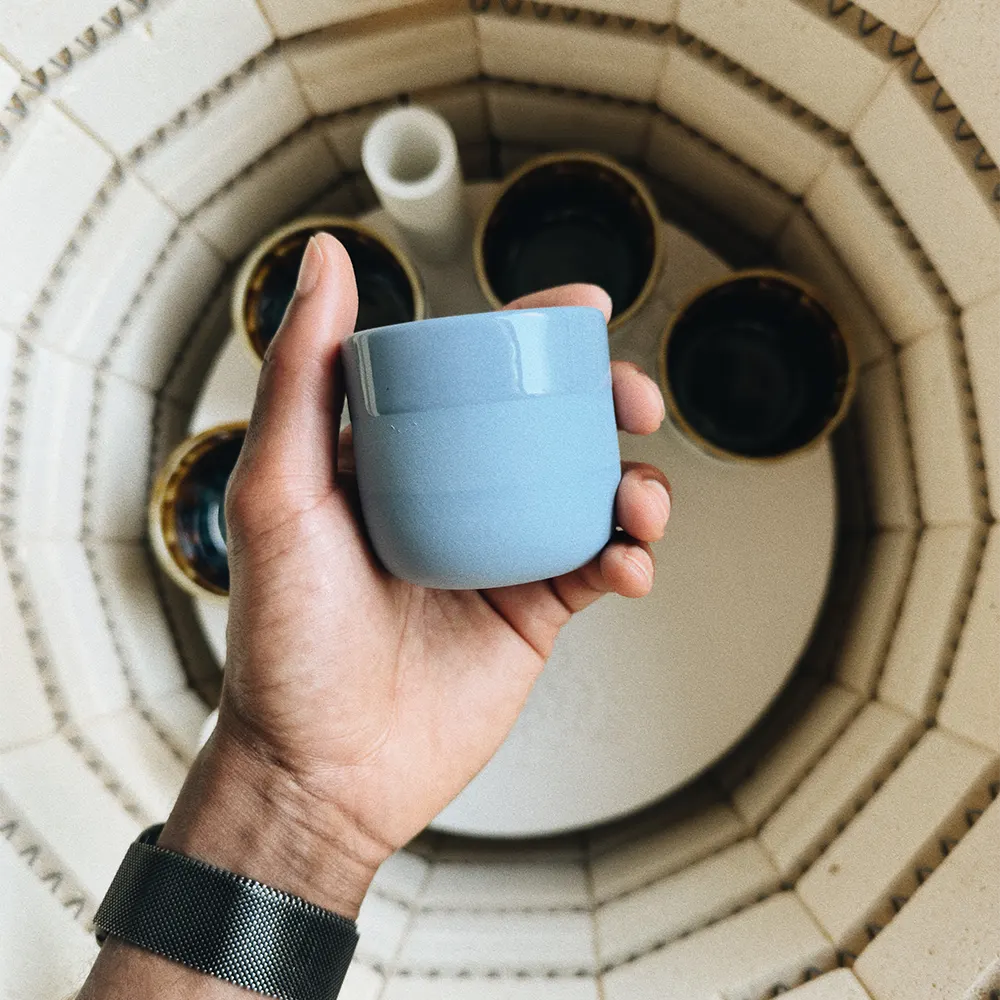
Handmade ceramics are made for regular use. We believe they should live on the table, not in a cabinet. Still, a little care helps a small ceramic cup keep its finish and feel over time.
Because the piece is compact, it often gets picked up, stacked near other items, or moved between kitchen and table more often than a larger mug. That daily handling is normal. We simply want to be a bit thoughtful about it.
Gentle washing goes a long way. A soft sponge, mild soap, and warm water are usually enough for daily care. If coffee or tea leaves a mark, soaking the cup first is better than scrubbing hard.
Drying matters too. We like to dry the rim and base well before putting the cup away. That helps keep the surface looking clean, and it prevents water from sitting where cups meet shelves or trays.
A few easy habits help most:
Handmade pieces don’t need special treatment, but they do respond well to gentle habits.
The main thing to avoid is sudden temperature shock. We shouldn’t move the cup straight from a very cold setting to boiling water, or the other way around. Like most ceramics, it prefers a gentler shift in temperature.
Careful handling also helps prevent chips, especially around rims and edges. Small cups are easy to carry, which is great, but they can knock against sinks, taps, or other dishes if we rush. A bit of attention keeps the piece looking good for much longer.
If we use the cup often, and we should, those small habits become second nature.
The SHORT Cup works because of its size, not in spite of it. Its small scale, handmade finish, and easy proportions give everyday drinks more focus.
Whether we pour espresso, tea, a short Americano, or something cold, this small coffee cup keeps the moment clear and usable. It belongs in daily rotation, where small, well-made objects usually matter most.