NOTICE: We are currently updating our stock.
Therefore we have disabled checkout. We’ll be up and running again very soon.
Free Shipping on orders above EUR 100 (Europe) and EUR 200 (Worldwide)
Espresso is tiny, but it’s picky. It cools fast, it changes flavor as it cools, and it can taste oddly harsh if we drink it from the wrong cup. We’ve all had that shot that started sweet, then turned sharp halfway through. Sometimes it’s the coffee, sometimes it’s the temperature, and sometimes it’s the cup.
The good news is we don’t need a cabinet full of options to get it right. We just need a simple checklist that matches how we actually drink espresso at home, how we hold a cup, and what fits our routine.
Let’s make choosing an Espresso cup feel as easy as pulling the shot.
An espresso cup has a bigger job than most people think. It’s not just a container, it’s part of the brewing and tasting experience. Espresso is served hot, in a small volume, with a delicate crema layer on top. The cup needs to protect that moment between the machine and our first sip.
When we call a cup “perfect,” we’re usually reacting to three things at once:
Temperature is the sneaky one. Espresso doesn’t just get cooler, it changes character as it cools. Warmth carries aroma upward, and aroma is a big part of taste. When the cup pulls heat out of the shot too fast, we often get a more pointed, sour edge. A better cup slows that down, which can make the same espresso taste smoother and rounder.
Cup shape matters, too. A wide, flat cup can make espresso feel thin, because it spreads out and cools quicker. A more rounded interior keeps the crema gathered and the aroma focused. If we want to nerd out on how geometry changes flavor, we can also read how mug shape influences espresso flavor, it matches what we notice in real life.
Now let’s get practical.
For most of us, the best espresso cups are ceramic or porcelain with enough thickness to hold heat. Thin cups can look elegant, but they drop the temperature fast. That’s rough on espresso because the whole drink is only a few sips.
Thicker, high-fired porcelain and stoneware tend to do two helpful things:
Fast cooling doesn’t just mean “less hot.” It can shift the balance so acidity stands out more, and sweetness feels quieter. A cup that stays warm buys us time, and espresso loves time.
A simple habit helps even more: pre-warm the cup. We can fill it with hot water while we grind and prep, then pour it out and dry it right before the shot. That tiny step can do more than switching beans.
If we’re curious how reviewers test and compare heat and comfort across different cups, Serious Eats’ espresso cup testing is a useful reference point.
We should choose an espresso cup the same way we choose a favorite pen. It has to feel right every day, not just look nice on a shelf.
When we pick it up, we’re looking for:
Stable weight: Not so light that it feels fragile, not so heavy that it feels clunky.
Balance: It shouldn’t feel top-heavy when full.
Handle fit: A handle that comfortably takes at least one finger (two is great if it stays compact).
Rim feel: Smooth, even, no sharp spots. This matters more than we expect.
Comfort beats “fancy” fast when we’re using it daily. If the handle pinches, we’ll stop reaching for it, no matter how pretty the glaze is.

This is where most mistakes happen. We buy a cup because it’s beautiful, then realize our shot looks lost inside it, or it barely fits and splashes crema onto the rim. Size and shape don’t need to be complicated, but they do need to match our drinks.
Let’s start with what we’re pouring.
A typical single espresso is around 25 to 30 ml, and a double is often 50 to 60 ml. Some of us also pull longer shots (lungo), or use espresso as a base for cortados and small cappuccinos.
A good rule: the cup should be bigger than the shot, but not so big that the espresso spreads thin.
Here’s a quick way to match cup capacity to what we drink most:
| What we drink most | Typical espresso volume | Cup capacity that usually feels right | Why it works |
|---|---|---|---|
| Single espresso | 25 to 30 ml | 60 to 75 ml | Space for crema, stays focused |
| Double espresso | 50 to 60 ml | 75 to 90 ml | Less spill risk, better heat |
| Lungo | 60 to 90 ml | 90 to 120 ml | Room for extra volume |
| Cortado base | 40 to 60 ml espresso plus milk | 120 to 180 ml | Room to stir and sip |
We’ll notice there’s no single “correct” cup. There’s a best fit for how we drink.
For straight espresso, 60 to 90 ml is the sweet spot in most kitchens. It gives us enough room for crema and a clean pour, without turning the shot into a shallow puddle.
If the cup is too big:
If the cup is too small:
Many people arrive at similar conclusions after trying lots of options. If we like reading real-world opinions (including strong ones), this Home-Barista discussion on preferred cup size and shape is a good window into what espresso people notice over time.
If we had to pick one interior shape for espresso, we’d pick a gentle tulip or egg shape. Think: narrower base, rounded bottom, slightly wider top. This shape tends to:
A rounded bottom also helps when we swirl the cup a little. That swirl isn’t just for show, it mixes crema and espresso, which can soften the first sip.
Wide cups aren’t “bad,” they’re just better for drinks where we want space, like a small milk drink or a shot topped with foam. For straight espresso, too wide often means too cool, too fast.
Crema itself is influenced by many factors (coffee freshness, grind, pressure, temperature). If we want the science side of crema stability, this paper on factors that affect espresso crema volume and stability is a solid reference, even if we only skim it.
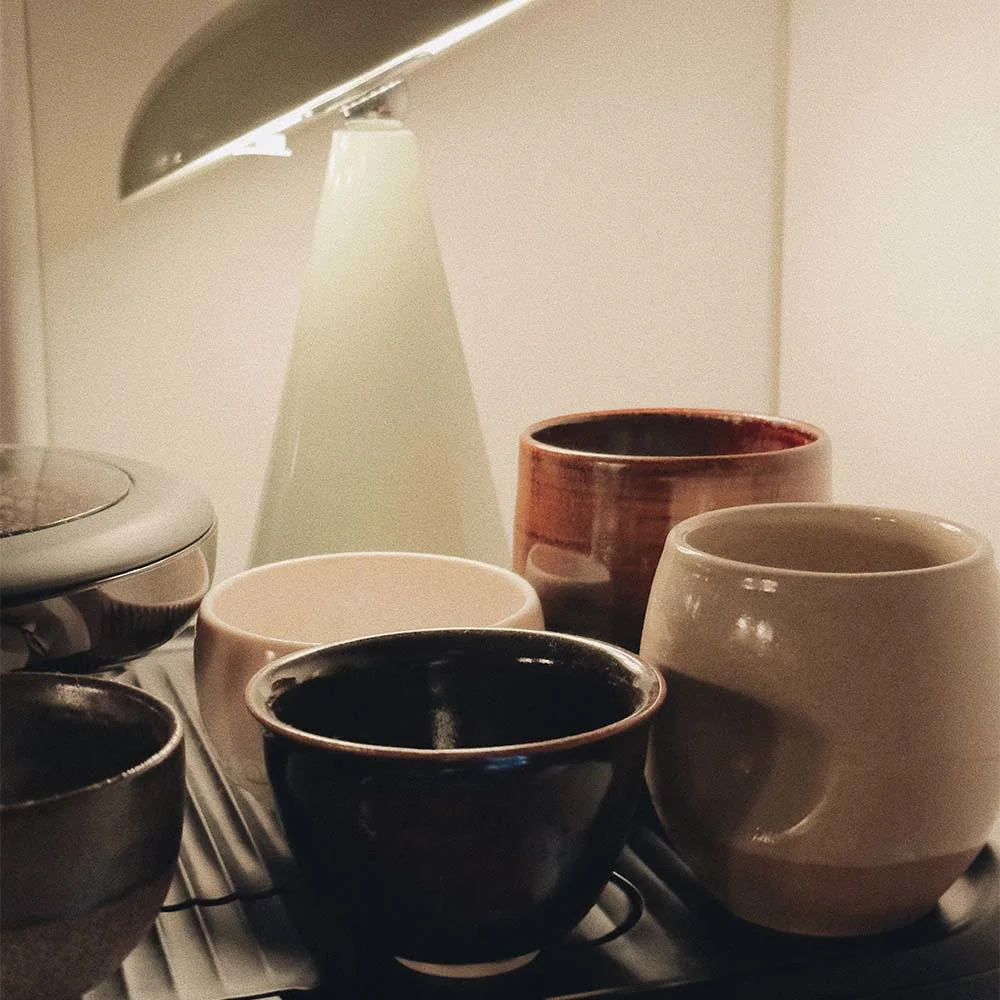
Material choice is where “looks” meets daily life. We care about heat, we care about durability, and we also care about the feel in our hands. For people who love handmade homeware, material is part of the enjoyment, not a footnote.
Here’s the short version:
If we want a broad overview of what editors and testers tend to prefer across styles and materials, Food & Wine’s roundup of espresso cups gives a helpful snapshot of what’s popular and why.
Porcelain is the classic café material for a reason. When it’s well-fired, it’s strong, smooth, and pleasant to drink from. It also tends to feel clean and crisp on the lips.
Stoneware usually brings a thicker, sturdier vibe. It can feel grounded and warm in the hand, which suits slow mornings. Many handmade stoneware cups also have a subtle texture on the outside that makes them feel secure, even without a big handle.
One small detail we shouldn’t ignore: if we like seeing crema color and spotting blonding, a light interior glaze makes it easier. Dark interiors look dramatic, but they hide what the shot is doing.
Espresso leaves oils behind. That’s normal, and it’s part of why espresso cups can develop a smell if we’re not careful.
A smooth, glazed interior is easier to rinse clean and less likely to hold onto coffee oils. Matte exteriors can feel amazing (we love that tactile grip), but the inside should still be smooth and food-safe.
One thing we avoid for espresso: a rough or sandy interior. It can trap residue, stain faster, and make cleaning feel like work. Espresso should be a treat, not a scrubbing project.
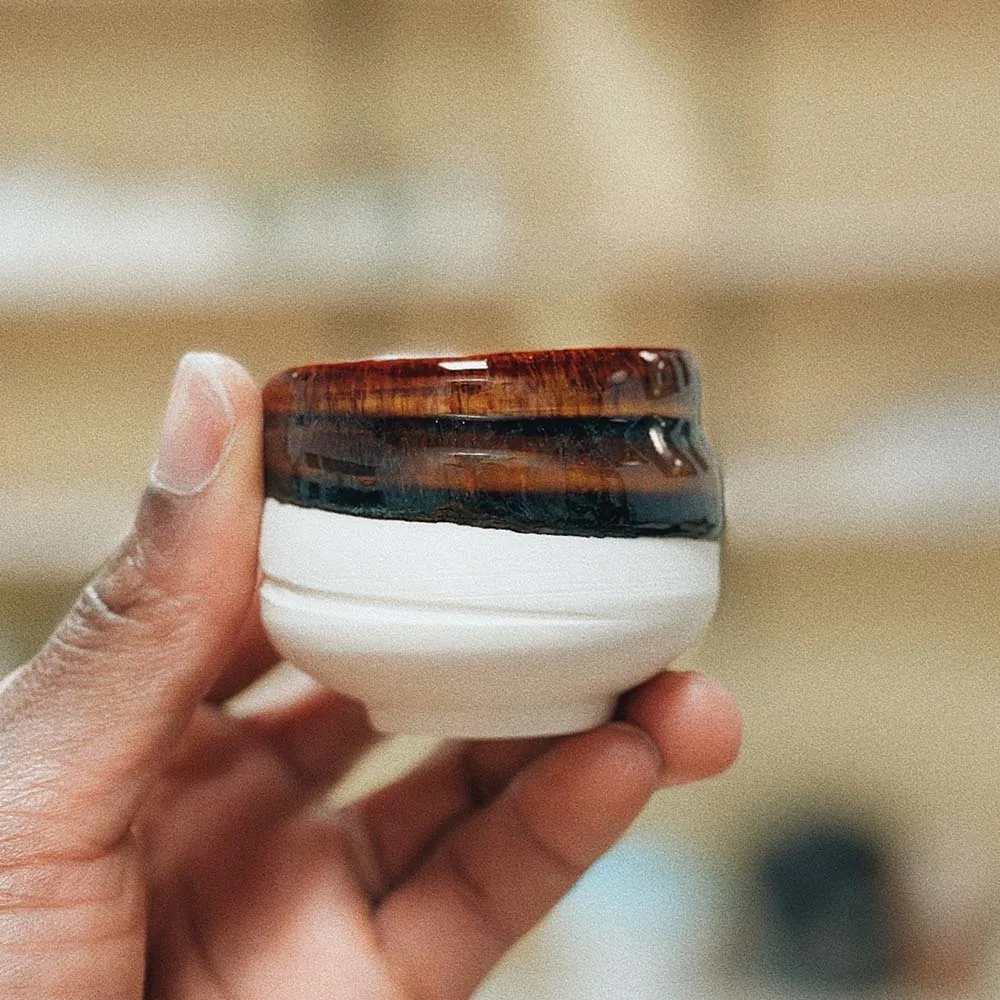
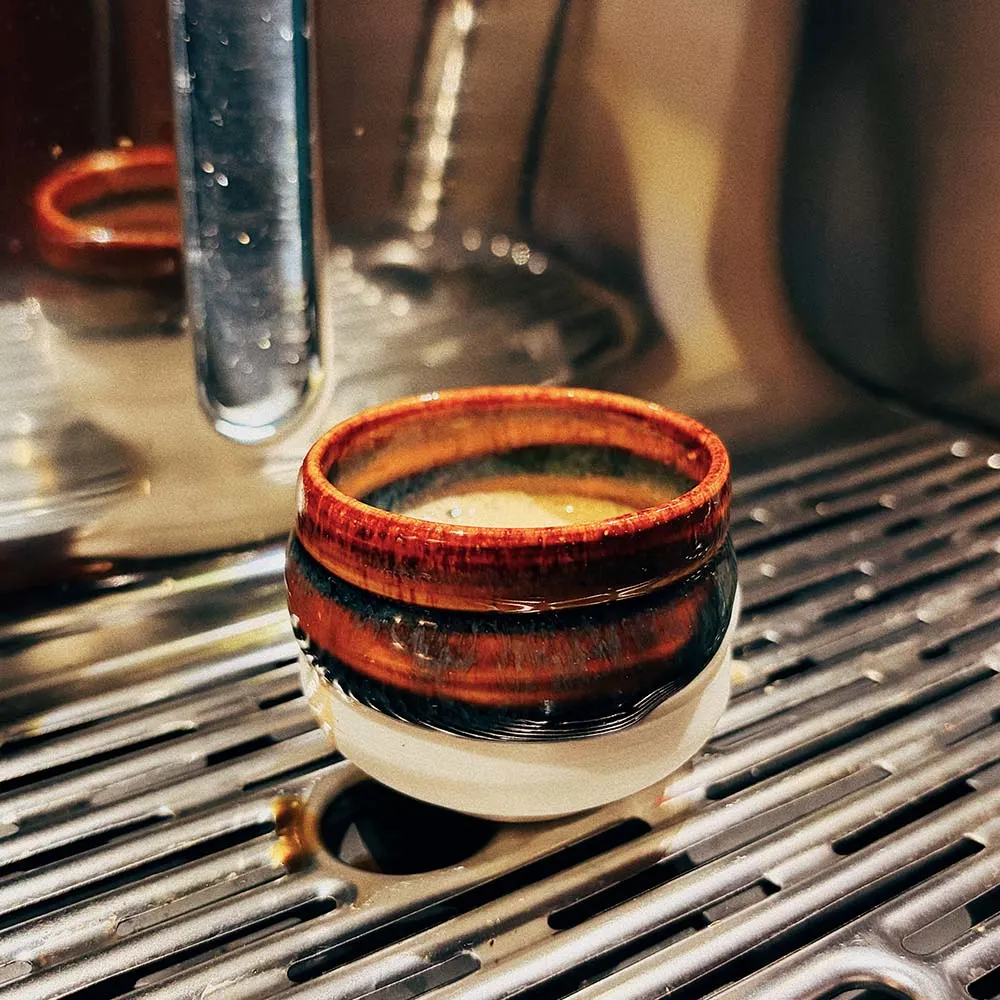
Handmade espresso cups have a different kind of charm. They don’t feel like clones. They feel like objects with a point of view, small variations, tiny decisions in the curve of the rim, the thickness of the wall, the way the glaze breaks at an edge.
That’s also why we shop a bit smarter when buying handmade. We’re choosing a cup we’ll use a lot, so we want beauty and consistency where it counts.
For a quick outside perspective on why so many people stick with handmade drinkware, Grey Fox Pottery’s reasons to use handmade ceramic mugs lines up with what we feel at home: warmth in the hand, better heft, and more personality on the table.
What we gain: Unique feel, often thicker walls, thoughtful shapes, and the satisfaction of supporting a small studio.
What to watch for: Small size differences, cups that don’t stack neatly, and a higher price because the work is real.
If we want a matched set, the simplest tip is buying cups as a set, or buying from the same batch. That way the rims feel similar, and the sizes line up.
If we’re curious about a specific handmade option, this handmade porcelain espresso cup is a good example of a high-fired piece with a clean look. It’s also roomier than a classic 60 to 90 ml demitasse, which can be a plus if we pull longer shots or like a little extra space.
If we want to browse shapes and finishes in one place, we can start with our handmade cups and mugs collection. It helps to filter by the size we reach for most, then choose a rounded shape if espresso is our main drink, or a wider cup if we often add milk.
We can also look at patterned options like the PTTRN Cup v3 if we want something bold on the shelf, but still practical for daily coffee.
The perfect espresso cup isn’t about rules, it’s about repeatable enjoyment. When we choose well, the same coffee tastes better, and the whole ritual feels calmer.
Our quick recap checklist looks like this: ceramic or porcelain, enough thickness to hold heat, a size that makes sense (often 60 to 90 ml for straight espresso), a tulip-style rounded interior, a handle and weight that feel right in our hand, and a smooth glazed interior that cleans easily.
If we pick a cup that matches our espresso routine, we’ll notice it every morning. The shot stays warmer, the aroma feels closer, and that tiny drink finally gets the attention it deserves.