NOTICE: Our stock is updated. Take a look in our webshop!
Free Shipping on orders above EUR 100 (Europe) and EUR 200 (Worldwide)
The world of design is evolving, breaking traditional boundaries and merging creative disciplines like never before. One exciting development is the fusion of graphic design with ceramic design—a trend that is gaining strong momentum in the Netherlands, across the EU, and in the USA.
This article explores how this multidisciplinary approach is changing the way we think about surface design, branding, and functional art pieces. Learn from industry examples like JL Ceramics, a Dutch ceramics studio known for integrating custom graphic elements into their handcrafted pottery.
The relationship between graphic art and ceramics is not new. Ancient civilizations used pictograms and motifs on pottery for storytelling and communication. Cultures from Mesopotamia to ancient China painted detailed images and patterns onto ceramic surfaces to express identity, faith, and tradition.
Fast forward to today, and this artistic connection is being revitalized by contemporary designers. Influential names like Hella Jongerius, a Dutch designer known for her work blending industrial design with craft, have put the Netherlands at the forefront of this movement.
This design trend isn’t just about aesthetics—it addresses consumer demand for personalization, sustainability, and functional beauty.
To maximize visibility for audiences in the Netherlands, EU, and USA, here are high-performing keywords that should be integrated across product descriptions and blog content:
For a practical demonstration, browse the product portfolio at JL Ceramics.
Graphic designers typically create artwork using Adobe Illustrator, Photoshop, or Procreate. This digital art is then transferred onto ceramics using techniques such as:
These methods preserve sharp lines, brand logos, and custom typography, creating professional, high-impact designs.
Artists often choose from:
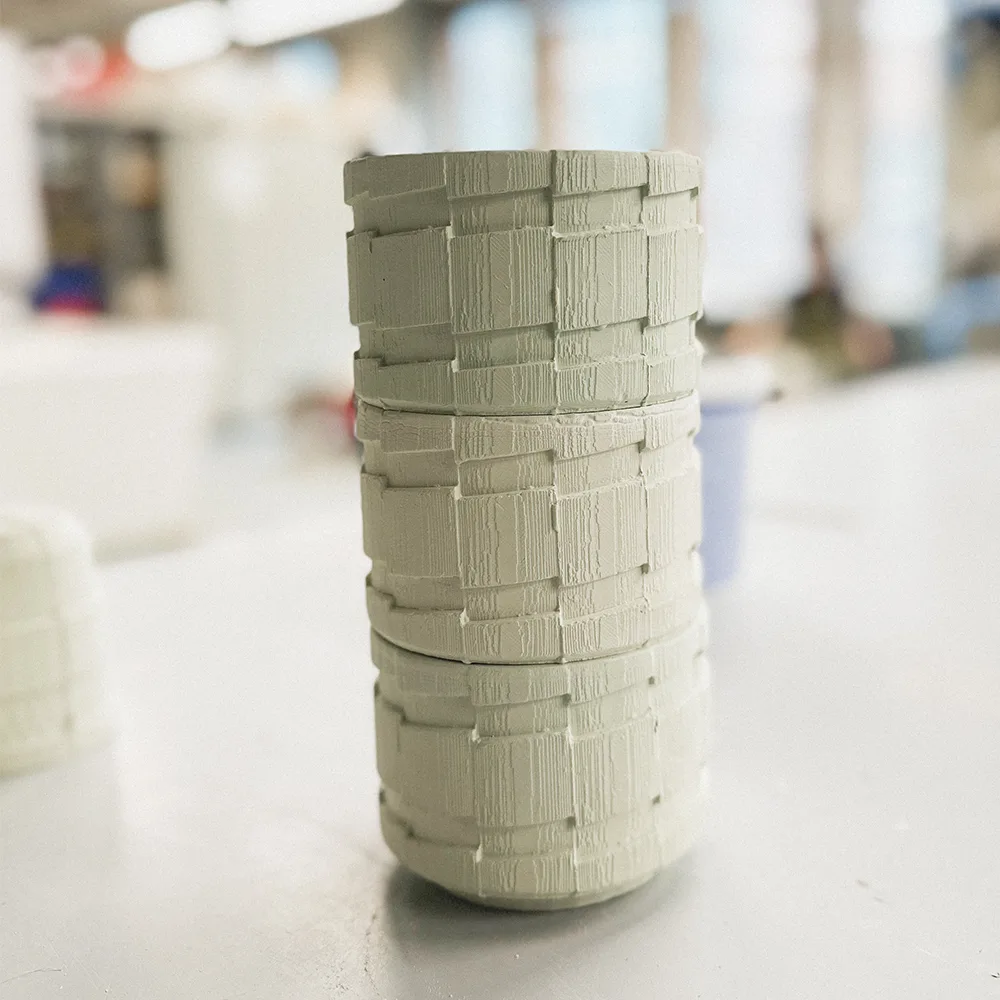
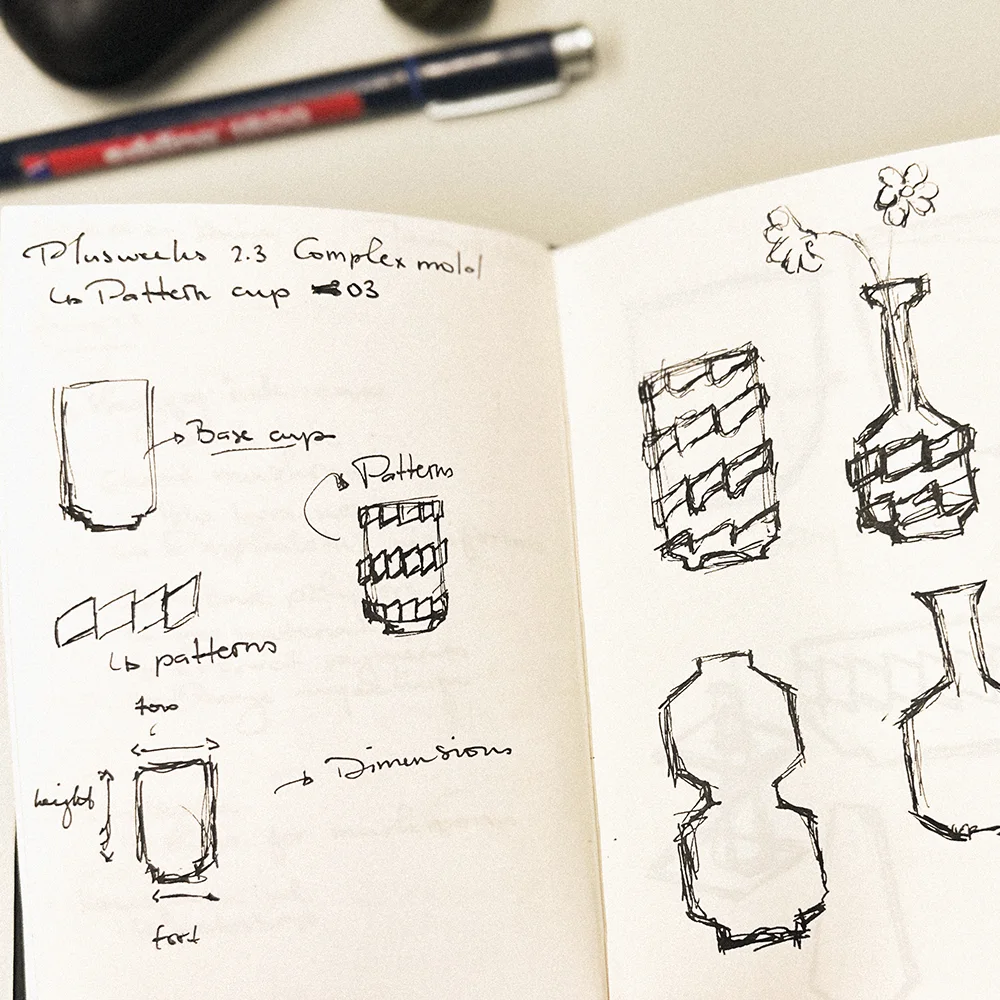
Dutch innovators like Clay Robotics are pioneering ceramic 3D printing, combining parametric graphic modeling with ceramic extrusion technology. This allows for architectural-grade precision with layered graphic textures.
Branded Hospitality Ware:
Restaurants and hotels commission custom ceramic tableware featuring their logos and graphic identity.
Interior Decor:
Ceramic wall tiles with graphic line art are being used in boutique hotels, cafes, and modern Dutch homes.
Collector’s Items:
Limited-edition ceramic pieces featuring artist-created graphics attract art collectors across the EU and USA.
Explore custom ceramic solutions at JL Ceramics for more inspiration.
To rank higher on Google and attract both European and American audiences, follow these tips:
“Blending graphic design with ceramics is more than surface-level art—it’s a storytelling medium that bridges digital precision with tactile authenticity.”
— J. Marengo, Founder of JL Ceramics
For more design insights and project examples, visit JL Ceramics.
Programs like Adobe Illustrator, Photoshop, and Procreate are industry standards for creating scalable vector and raster designs suitable for ceramic transfers.
Yes, especially when designs are applied using high-fire glazes, screen printing, or underglaze transfers that are kiln-fired for durability.
Many studios, including JL Ceramics, focus on eco-friendly glazing, low-waste production, and durable pieces to support sustainability.
Yes, entry-level options like decal transfers or small-batch printing make it accessible even for startups and independent brands.
Combining graphic design with ceramic design unlocks new possibilities for branding, storytelling, and artistic expression. This fusion allows designers to transform functional items into conversation pieces with visual impact.
For businesses, artists, and design enthusiasts looking to explore this innovative design intersection, JL Ceramics offers bespoke solutions that blend craftsmanship with visual storytelling.