NOTICE: Our stock is updated. Take a look in our webshop!
Free Shipping on orders above EUR 100 (Europe) and EUR 200 (Worldwide)
Many of us use “ceramics” and “pottery” as if they mean the same thing. In everyday shopping, that makes sense, because the mug in our hand or the bowl on our table is often both.
The short answer is simple: pottery is a type of ceramic, while ceramics is the bigger category. Once we know that, it’s much easier to shop for handmade mugs, plates, bowls, and decorative pieces without mixing up the terms.
Pottery usually means objects made from clay and fired in a kiln, often for daily use. We tend to use the word for mugs, bowls, plates, planters, and vases, especially when they feel handmade.
Ceramics is broader. It includes pottery, but it also covers many other fired, non-metal materials and objects, such as tiles, bricks, sculpture, and some technical products.
This quick comparison makes the relationship easier to see:
| Term | What we usually mean |
|---|---|
| Pottery | Clay vessels and functional wares |
| Ceramics | The larger family of fired, non-metal materials |
| Common examples | Mugs, bowls, plates, vases |
| Other ceramic examples | Tiles, sculpture, bricks, some industrial parts |
The key point is easy to remember: all pottery is ceramic, but not all ceramics are pottery.
A handmade mug is both pottery and ceramic. A wall tile is ceramic too, but we usually wouldn’t call it pottery. The same goes for a ceramic sculpture. That object belongs to the ceramic family, yet it doesn’t fit the usual idea of pottery because it isn’t a vessel or piece of tableware.
If we remember one line, this is the one: pottery sits inside the larger ceramic category.
In normal conversation, the terms overlap because many pieces we buy for the home fit both labels. A dinner plate, serving bowl, or coffee cup is made from fired clay, so “ceramic” and “pottery” can both sound right.
Still, the difference matters when we talk about materials, methods, and object type. A materials-based guide from Kiln Frog on pottery vs. ceramics makes that distinction clearly, and it matches how most makers use the terms.
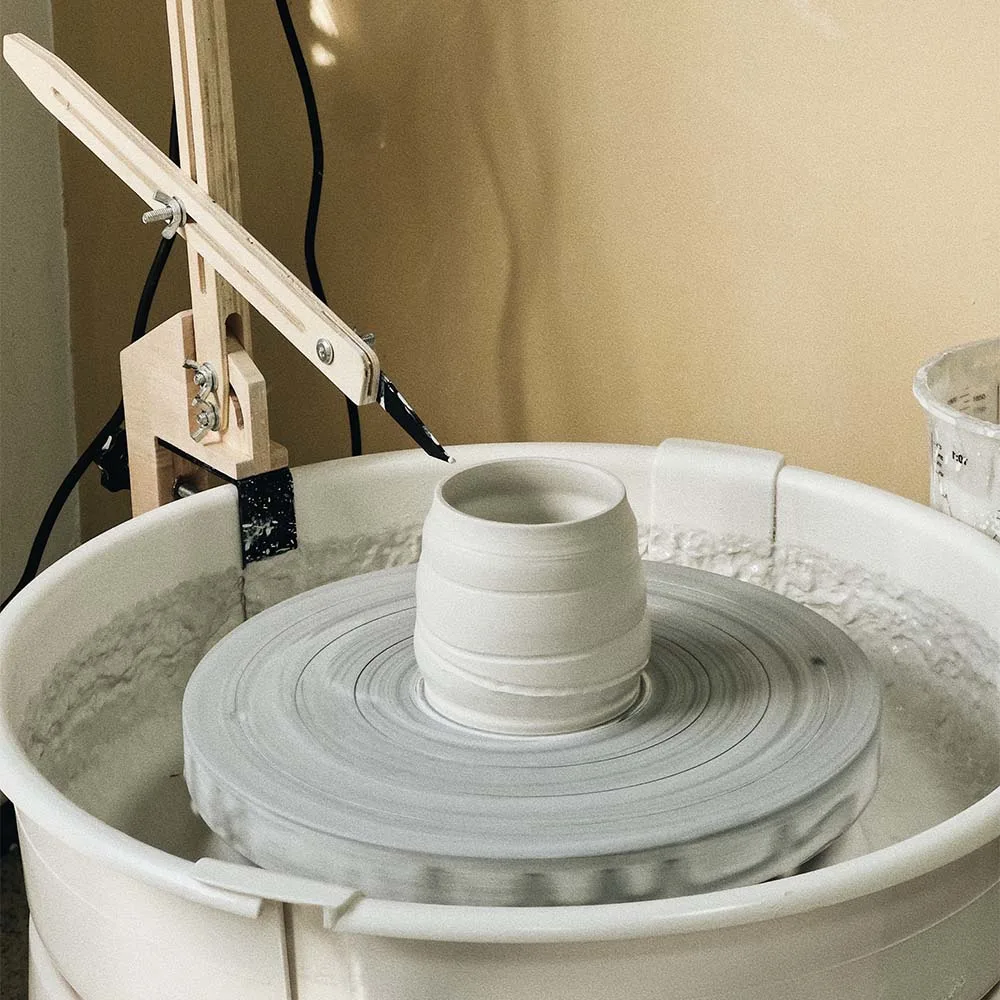
Both pottery and ceramics start with earthy raw materials and end with heat. Clay gets shaped, dried, and fired in a kiln. Often, glaze is added for color, texture, and a sealed surface.
Where things split is scope. Pottery usually points to clay shaped into familiar forms. Ceramics can include clay-based work too, but the term reaches further. It can describe a material family, not only a craft tradition.
When we talk about pottery for the home, we usually mean earthenware, stoneware, or porcelain. Earthenware often fires lower and can stay more porous. Stoneware fires hotter and is a common choice for durable everyday tableware. Porcelain also fires hot, and it tends to look finer and more refined.
Those clay bodies show up all over handmade homeware. Mugs, cereal bowls, dinner plates, side plates, and planters often fall into this pottery lane because they’re shaped as useful forms first.
Ceramics can still be clay-based, but the label is wider. It can cover tiles, sculptural work, architectural pieces, and other fired objects made from inorganic, non-metal materials.
That broader use is why “ceramic” can sound more material-focused than “pottery.” If we say “ceramic tile” or “ceramic sculpture,” most people understand the object right away, even though neither is pottery in the usual sense.
Firing matters because heat changes soft clay into something hard and lasting. In simple terms, earthenware is often fired lower, while stoneware and porcelain are fired hotter. Hotter firing usually brings more strength and lower absorbency.
The goal can differ too. Pottery often aims for usable vessels. Ceramics can aim for that, but also for art, building use, or special performance. For readers who care about tableware, that difference helps explain why a bowl and a tile may both be ceramic, yet only one feels like pottery.
The practical side is where this gets useful. When we shop for handmade pieces, pottery often suggests touch, routine, and use. Ceramic, on the other hand, can sound broader and a bit more design-led.
Pottery often brings to mind wheel-thrown mugs, serving bowls, and pieces with visible handwork. We notice the slight variation in rim shape, the weight in the hand, and the way a glaze breaks at the edge. That’s part of the appeal.
A piece like this everyday handmade stoneware bowl shows why pottery feels personal to so many of us. It sits comfortably in daily life, and that closeness matters when we choose tableware for regular use.
The word ceramic covers more ground. It can describe dinnerware, planters, tiles, sculptures, and display pieces. Because of that, it often sounds like a wider design or material term.
That broader feel lines up with what we’re seeing in 2026, too. Handmade tableware still leans toward earthy stoneware, soft greens, creamy whites, and organic rims. Yet the same ceramic language also applies to a glossy tile or a gallery sculpture. For a dinnerware-focused look, this ceramic vs. pottery comparison for tableware is a useful extra read.
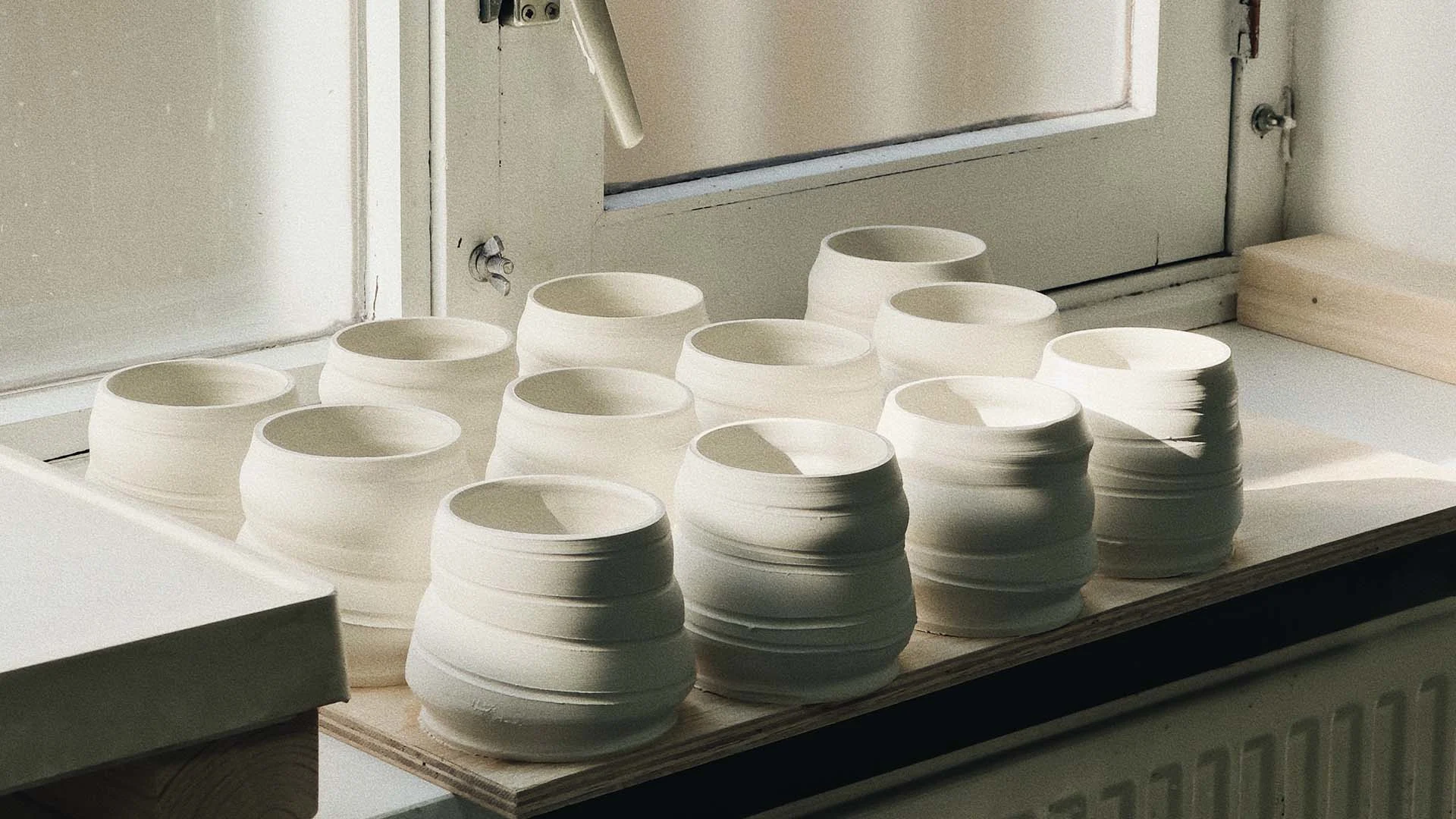
A few myths keep this topic more confusing than it needs to be.
They overlap, but they aren’t equal terms. Pottery is a smaller group within ceramics. When we say “ceramics vs pottery,” we’re really comparing a broad category with one of its most familiar types.
Ceramics can be matte, rough, smooth, thick, thin, sturdy, or fragile. The finish depends on the clay body, glaze, and firing method. A speckled stoneware bowl and a thin porcelain cup are both ceramic, yet they can feel completely different.
Not every fired clay object is pottery. A clay sculpture is ceramic, but most people wouldn’t call it pottery unless it functions as a vessel or ware. That small distinction clears up a lot of confusion.
When we keep one idea in mind, the whole topic gets easier: pottery is a subset of ceramics. Pottery usually points to clay-made vessels and useful wares, while ceramics names the larger material family.
That matters when we shop for handmade homeware and tableware. We can describe a mug, plate, or bowl more clearly, and we can better understand what kind of piece we’re bringing into our homes.